Card conditions & grading
Two copies of the same card can be worth very different amounts. The condition, or the grade on a slab, is how a seller describes the copy they're selling. Here's what each one means, and why the photos tell you more.
What does each condition mean?
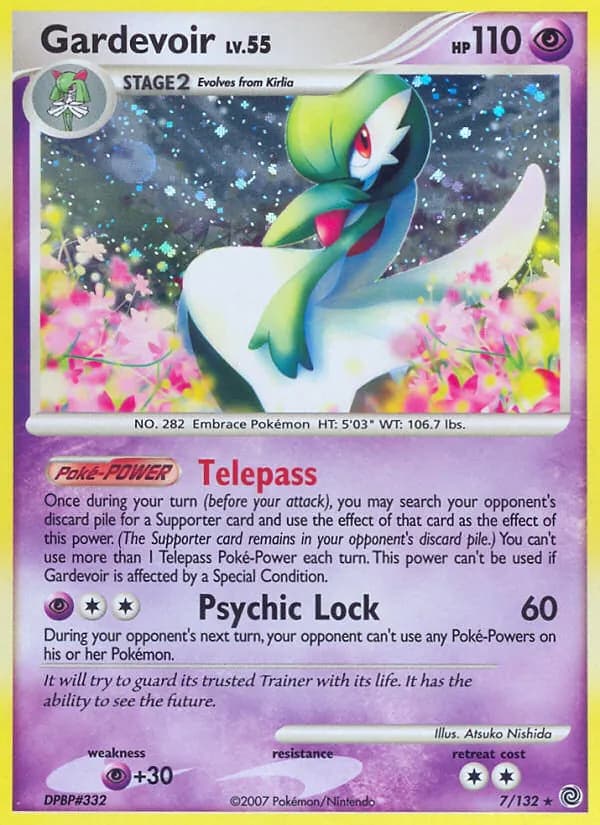
Every single card is listed in one of six conditions, from Mint down to Damaged. The scale is the same for every game, and the seller picks the step when they list the card. The ring beside a condition shows where it sits: the fuller the ring, the better the card.
A condition is a guideline, not a binding promise. Wear is a matter of degree, and two careful collectors can put the same card a step apart. So don't buy on the word alone: judge the card by its photos.
- Mint
- As it left the pack. Flawless: sharp corners, clean edges and a clean surface, even under a bright light.
- Near Mint
- Fresh from the pack, near enough. Look closely and you might find one tiny flaw, like a speck of whitening on an edge. Nothing you'd notice at arm's length.
- Lightly Played
- Light wear you can see. A little whitening on the edges or corners, or a few light scratches. No creases, bends or dents.
- Moderately Played
- Clearly played with. Whitening round the edges, worn corners and scratches across the surface, perhaps a small crease. Still fine in a binder or a deck.
- Heavily Played
- Heavily worn, but whole. Creases, bends, heavy whitening and marks all over. Every part of the card is there, but it shows its life.
- Damaged
- Something is broken. A tear, water damage, writing on the card, or a crease or bend that goes right through it.
How is sealed product graded?
A booster box, a pack or any other sealed product is graded on its packaging, in two steps: Pristine or Damaged. Nobody can see the cards inside, so sealed product is never Near Mint or Lightly Played.
Pristine is untouched factory packaging: the wrap intact, with no scuffs, dents or crushed corners. Damaged is still sealed, but the packaging is marked: a tear in the wrap, a dent, a crushed corner. Either way, what's inside is unopened.
What is a graded card?
A graded card has been sent to a grading company, which judged it, gave it a grade from 1 to 10 and sealed it in a hard plastic case: a slab.
On a graded listing the grade takes the place of the condition. You'll see the company and its grade, like PSA 10, and the slab's certification number. Every slab is one of a kind, so a graded listing is always for one copy.
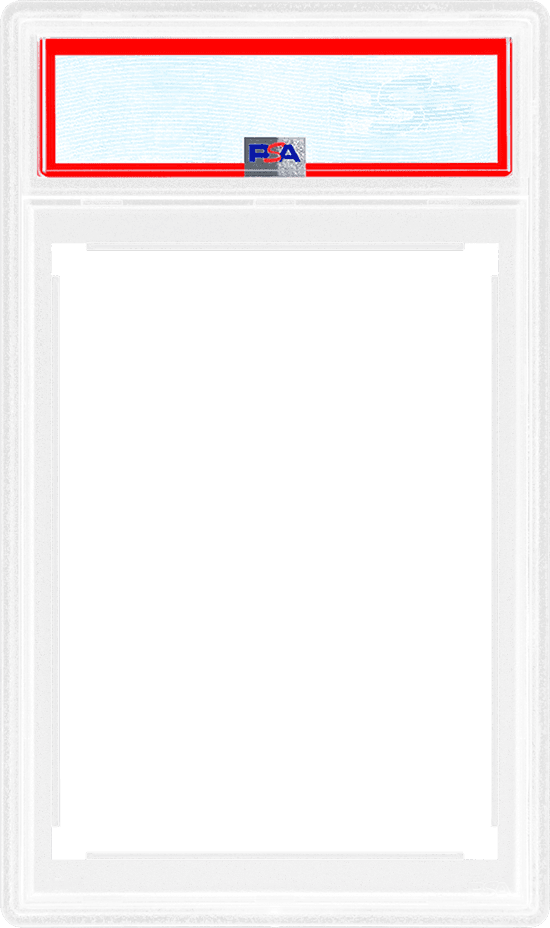
- The labelWho graded it, the grade it got, and a certification number that belongs to this slab alone.
- The card, sealed inIt can't be swapped or handled without breaking the case open.
- The caseHard, clear plastic that keeps the card as it was graded.
Five grading companies, five scales
You can buy and sell slabs from PSA, BGS, CGC, TAG and ACE. Each grades from 1 to 10, but each to its own scale: PSA has no 9.5, ACE gives whole numbers only, and BGS, CGC and TAG each have a grade above a plain 10.
So a 10 from one company isn't a 10 from another, and a card page prices each company's grades separately. Pick a company to see its scale.
The biggest name in card grading, and the only one here that also slabs sealed packs.
Its best grade
PSA 10Its grades
- 10
- No 9.5
- 9
- 8.5
- 8
- 7.5
- 7
- 6.5
- 6
- 5.5
- 5
- 4.5
- 4
- 3.5
- 3
- 2.5
- 2
- 1.5
- 1
Genuine, without a grade
- Half points
- Yes, except 9.5
- Subgrades
- No
- A separate score
- No
- Autographs graded
- 1 to 10
- Slabs sealed packs
- Yes
Subgrades, and what a Black Label is
A grader looks at four things: centering, corners, edges and surface. BGS gives each of them a grade of its own, its subgrades, and prints them on the label under the overall grade. The same four things decide a raw card's condition.
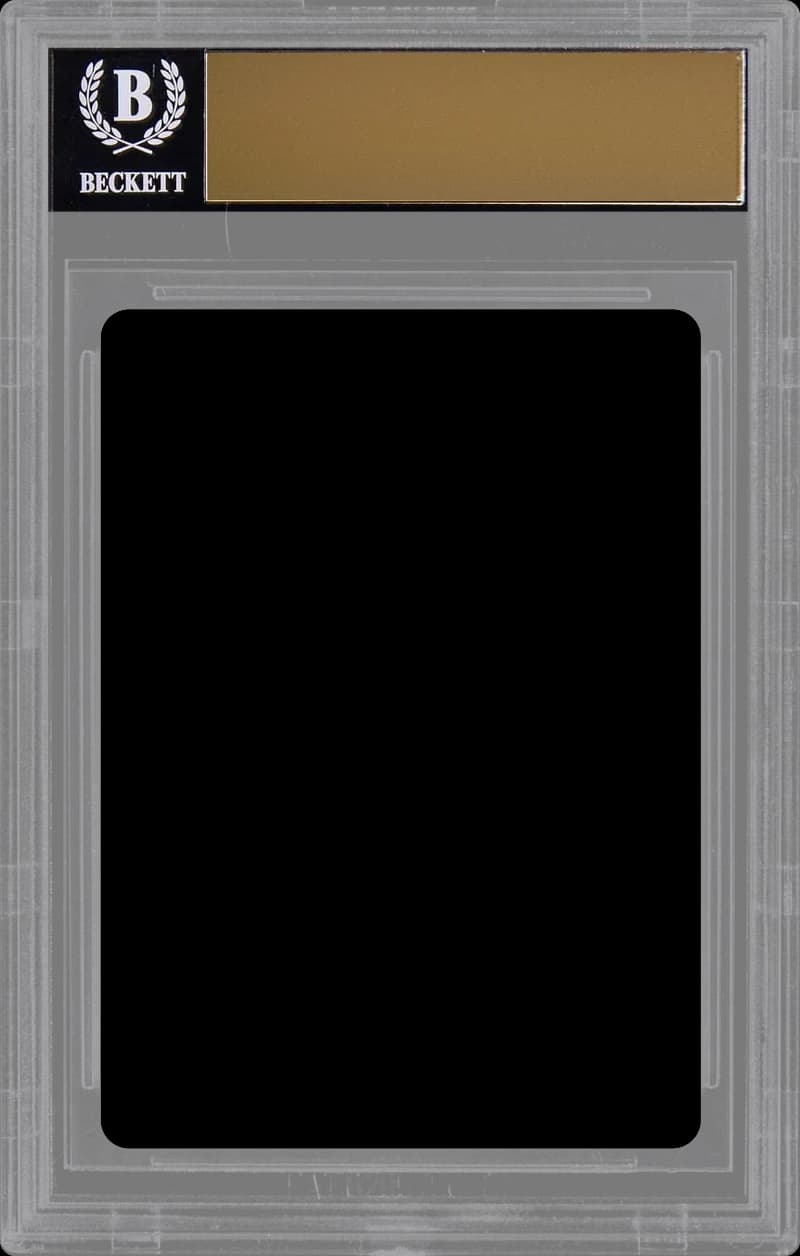
BGS also colours its label by the grade. Silver is for 9 and below, gold for 9.5 and 10. Black, the rarest, is a Black Label 10: a 10 in all four subgrades.

- Centering
- How evenly the picture sits in its border, left to right and top to bottom.
- Corners
- Sharp and square, with no whitening, rounding or bends.
- Edges
- Clean all the way round, with no whitening, chips or nicks.
- Surface
- No scratches, dents, print lines or marks, on the front or the back.
Beckett's three labels
- BGS Black Label 10Black LabelA 10, with a 10 in every subgrade.
- BGS 9.5Gold label9.5 or 10.
- BGS 9Silver label9 and below.



Signed, error cards, swirls and other details
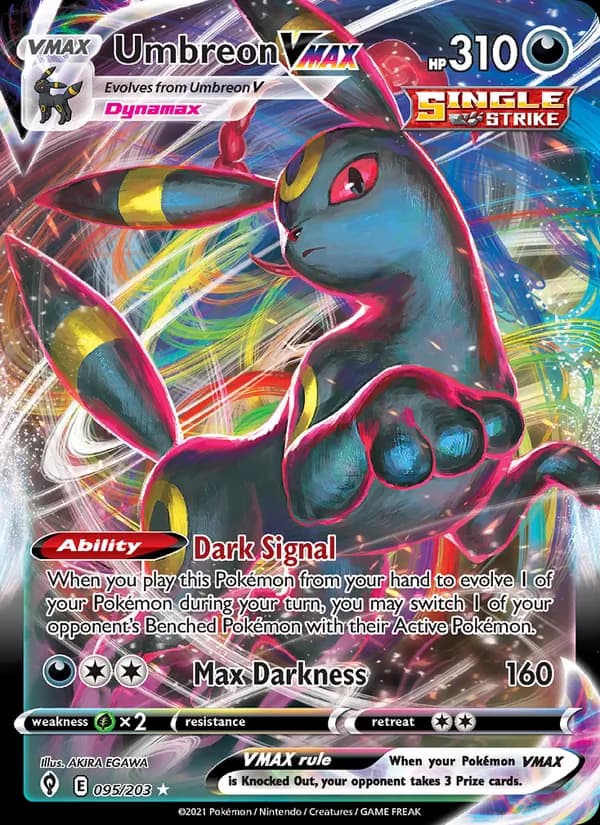
Some things change what a card is rather than how worn it is, so a listing marks them on their own: a signature, a misprint, a swirl in the holo. Look for these chips beside the condition.
The language belongs to the printing: a German card is its own entry in the catalog, and it's listed under the German printing. Anything else worth knowing, like how the card has been stored, is in the seller's description.
Single cards
- SignedThe card carries an autograph. On a slab, the autograph gets a grade of its own, shown as Auto.
- Error cardA misprint or other printing error. Collectors look for these, so it's a different item from a normal copy.
- SwirlThe holo foil shows a swirl, the circle where the foil sheet began. Pokémon cards only.
- Factory sealedStill in its original plastic, the way some promos are issued, and never opened.
Sealed packs
- Heavy packThe pack was weighed, and is heavy enough to be sure of a holo card inside. Mostly a thing for older sets.
What if it isn't as described?
What you buy is the card in the listing's photos and description, and in any photos the seller sent you in the chat. If the card that arrives clearly isn't that one, your payment is protected.
Because a condition is a guideline, a card that looks like its photos isn't a reason for a dispute just because you'd call it a step lower. A different card or printing, damage the photos didn't show, or a missing signature is.
- Check it when it arrivesCompare it with the photos you were shown and the description.
- Open a disputeFrom your order, choose Not as described.
- Your payment is heldThe seller isn't paid while the dispute is open.
- It's put rightA refund, a return with a label, or a partial refund you both agree to.
Quick answers
The seller, when they list it, using the scale as a guide. Holopoint doesn't inspect or grade cards, and a condition isn't a binding promise, so always ask the seller for photos in the chat before you buy, and judge the card by them.
That's what the photos are for. People judge wear a little differently, so the condition is a guideline: if the card matches the photos you were shown, it's as described. If you're unsure, ask for more photos, or closer ones, before you buy.
The lowest price is the cheapest copy in any condition, and it may be a worn one. Filter the listings by condition, or by grading company and grade, to compare like with like.
No. Each company grades to its own standard, and BGS, CGC and TAG each have a step above a plain 10. Listings and prices always name the company with the grade, so compare a PSA 10 with a PSA 10.
The company checked the card is genuine but gave it no grade. It's the real card, but it doesn't sell like a slab with a number. Authentic Altered means it's genuine but has been altered.
A sealed pack can: PSA slabs booster packs and blister packs, and they're listed as graded, with the company and grade. A sealed box can't be graded, so it's always Pristine or Damaged.
Yes. On a card's page, filter its listings by condition, or by grading company and grade. You can filter by language there too.
Your offer is marked Item changed and waits for you: keep it, change it, or withdraw it. The seller can't accept a price you offered for a different card.
Know what you're looking for?
Search every card, then filter its listings by condition or grade.